What we do when something goes wrong, and how to tell us.
If something has gone wrong, or might, this page sets out what Unity Aid does about it. Anyone can raise a concern, and you do not have to give your name.
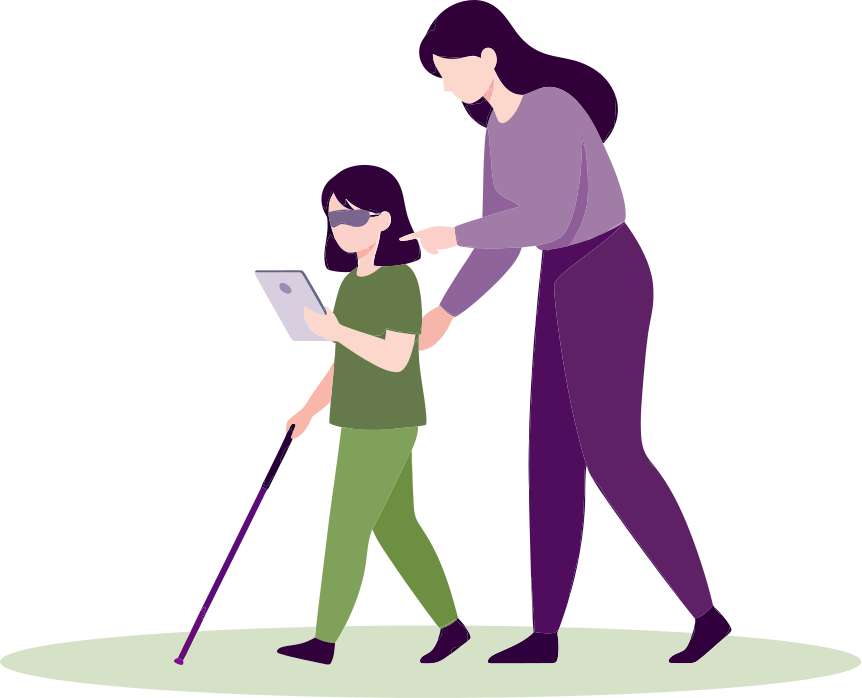
An incident is anything that put somebody at risk, or could have. Four things happen to every one of them, and the last is the one that matters most.

/001
What happened, when, who was involved, and what was done at the time.
/002
The person affected. Their family and coordinator, with their consent. The authority, where the law requires it.
/003
Reviewed by somebody who was not involved, and the person affected is told the outcome.
/004
Whatever needs to change: the roster, the support plan, the training, or the way a task is done.
Three ways, and none of them need you to be the person affected. A worker, a family member or a member of the public can raise something. The anonymous route asks for no name, no phone and no email.


Where support is provided to somebody under 18, their safety comes before everything else on this page. A concern involving a child is acted on as a priority rather than joining a queue, and it is reported to the relevant authority wherever the law requires it.
A concern about a child is treated as urgent
Support workers are screened before they start
Reported to the authority where the law requires it
Safeguarding, complaints and the way workers are chosen are one subject split across three pages. These are the other two.
Feedback, a complaint, a compliment, or an anonymous message that carries no name, phone or email at all.

Choice, dignity, privacy and safety, in plain words — and what to do when one of them is not met.
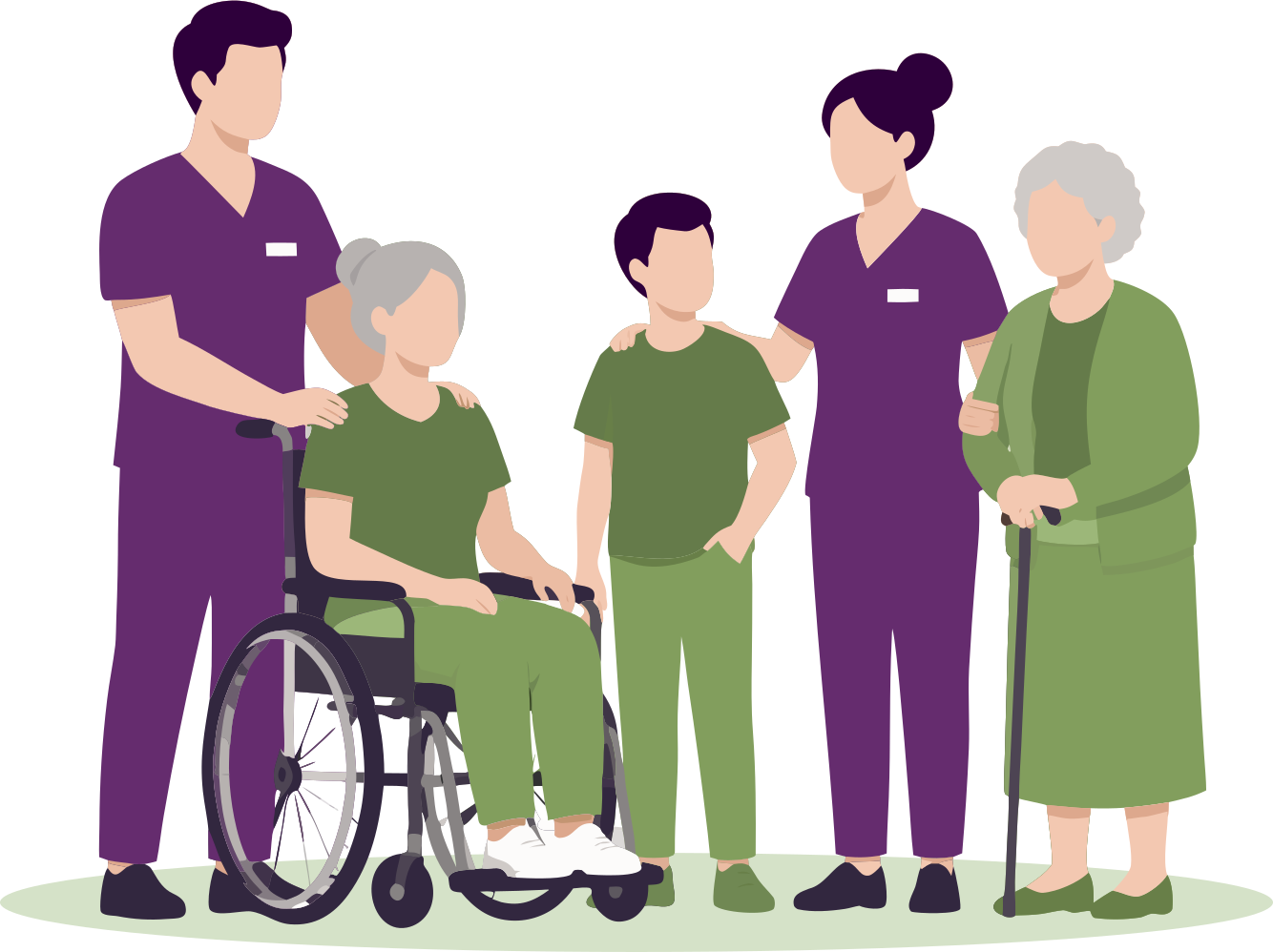
You do not have to be certain, and you do not have to be the person affected. Tell us what you have seen and our team will take it from there.

Have an enquiry or want to learn more? Our team is here to provide answers and guidance. Just complete the form and we’ll get back to you quickly.

