Support work is personal. This is who you would actually be dealing with.
Unity Aid keeps its teams small on purpose. The same people turn up, they learn the routine, and they stay long enough to notice when something changes.

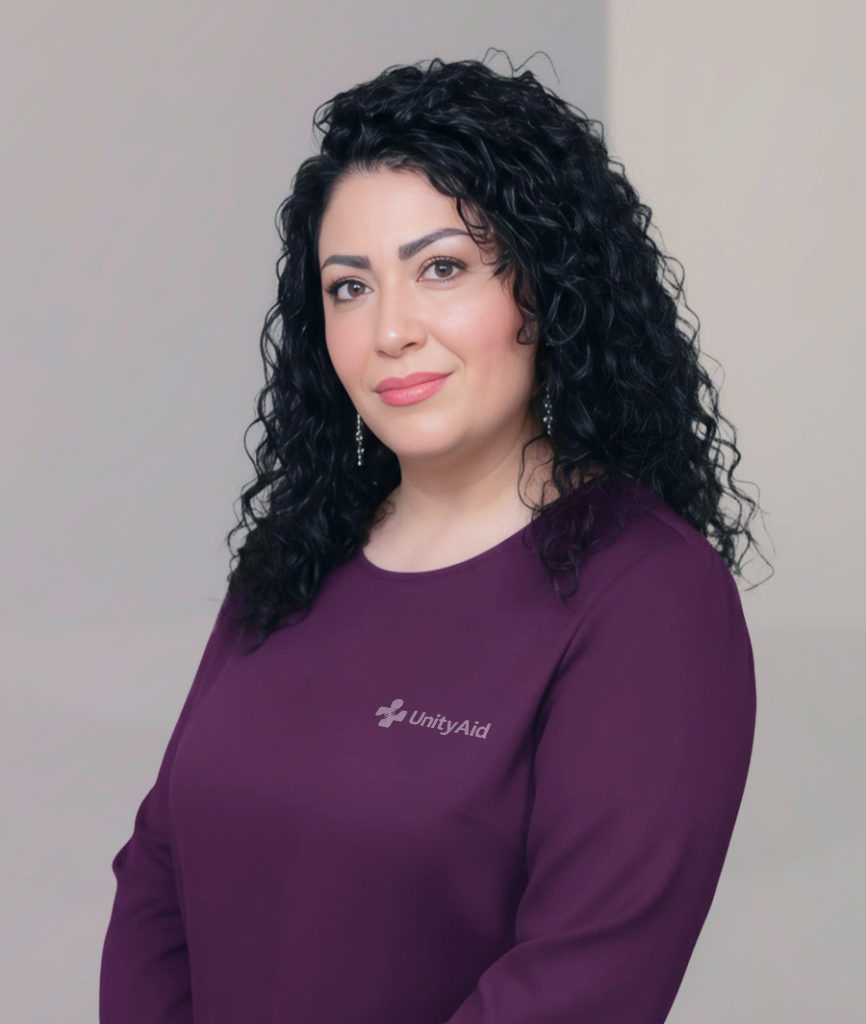
Dedicated to empowering individuals and families through compassionate, person-centred care.
I’ve been working in the disability and aged care sector since 2013, and over the years, I’ve learned that this work is so much more than just providing services, it’s about building connections, understanding people’s needs, and supporting them to live the life they choose.
Throughout my career, I’ve had the privilege of working with many wonderful individuals and families. I’ve taken on different roles, each teaching me something new about empathy, respect, and the importance of person-centred care. I’ve also been recognised several times for providing outstanding service, something I’m truly proud of because many of those nominations came directly from clients.
My goal is to create a service that truly empowers people, a place where everyone feels supported, valued, and encouraged to grow. I believe in care that inspires confidence, builds independence, and celebrates every achievement, big or small.
A small, consistent team is the whole point. Rather than a different face each week, most people see the same one or two workers, with the same coordinator behind them.

Operational Manager
Leads the service and is usually the first person you speak to.
Service Coordinator
Matches workers to people and keeps the schedule working.
Client Services and Rostering
Arranges the roster and organises cover when a regular worker is away.
Senior Support Worker
Works with people whose support is high-intensity or complex.
Support Worker
Personal care, domestic assistance and getting out into the community.
Support Worker, Veteran Services
In-home and social support for veterans and their families.
Support Worker, Aged Care
In-home support for older people staying in their own home.
Intake and Referrals
The first point of contact for a new enquiry or a referral.
Our team is here to listen, answer your questions and help you find the right support.
Being sent the right person matters more than being sent someone quickly. The match is made on what needs doing, on personality, and on the things people do not always think to ask for. If it is not working, say so and it gets changed.
/001
What needs doing
/002
Personality and manner
/003
Language and cultural background
/004
Preferred worker gender
/005
Keeping the same small team

Four things that shape how the support actually runs, rather than how it is described on paper.

/001
The same worker, not whoever happens to be free that day.
/002
Small teams who know you, so nothing has to be explained twice.
/003
Your language, your background and your routine are part of the plan, not an afterthought.
/004
Someone reachable after hours, and a backup arrangement when a regular worker cannot make it.
Every support worker is screened before they start with anyone. These are the checks Unity Aid holds today; each one is verified rather than assumed.
Registered to deliver supports under the NDIS.
Held by every support worker.
Held by every worker in a risk-assessed role.

Have an enquiry or want to learn more? Our team is here to provide answers and guidance. Just complete the form and we’ll get back to you quickly.


